






🌿 ISISE Day-Out 2026 | Science, community and a great day together!
Last July, the ISISE community came together for our 2026 Day-Out, held in the beautiful setting of Solar das Bouças.
The day combined science, networking and plenty of fun, bringing together ISISE members and collaborators outside our usual research environment. The programme included scientific presentations by our PhD researchers, providing an opportunity to share ongoing work, exchange ideas and discover the wide range of research being developed across the Institute.
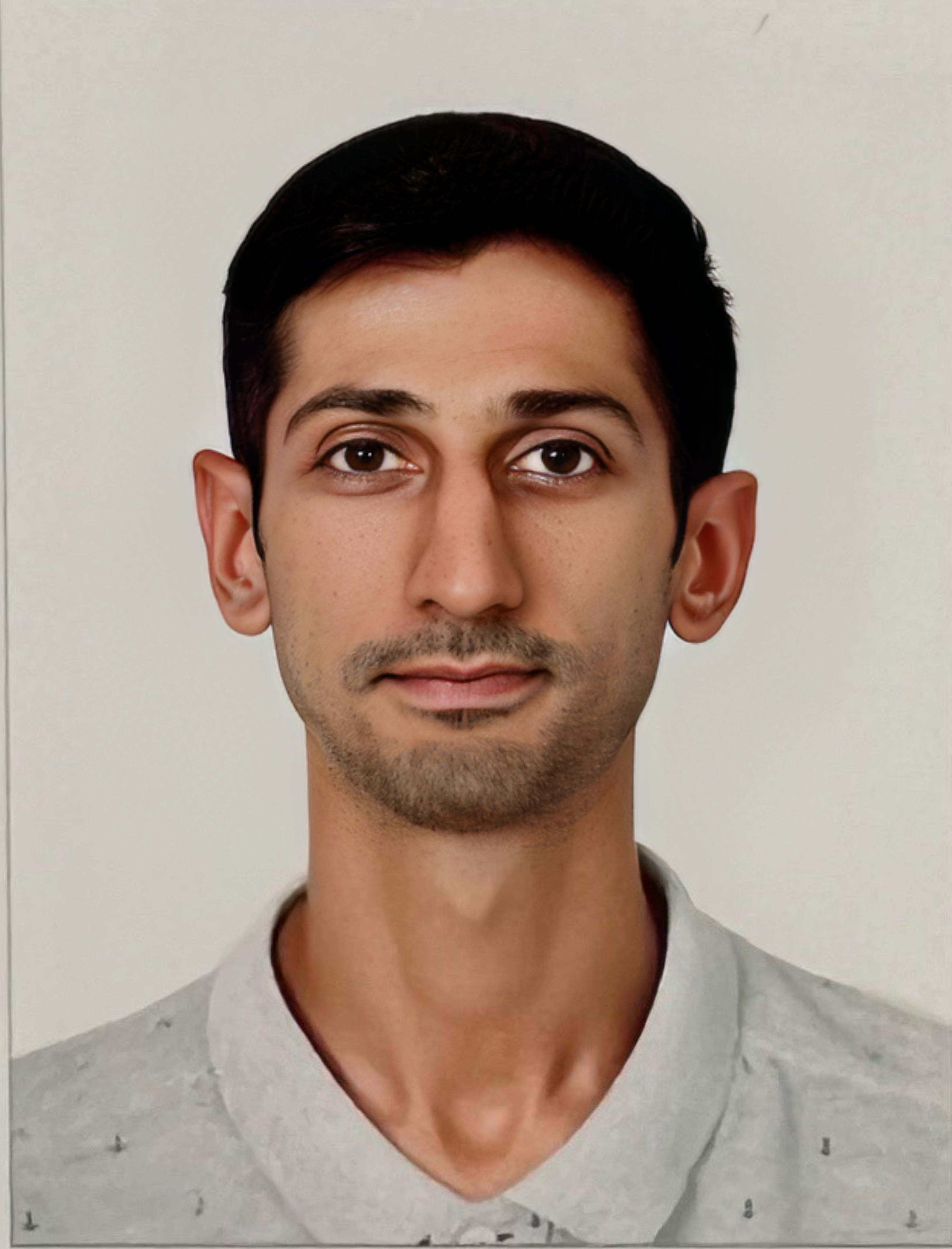
🏆 Congratulations to Kasra Mostofi, who received the Best Presentation Award for his presentation “Recycled fibre-reinforced concrete floating docks for sustainable offshore renewables”.
And, of course, an ISISE Day-Out would not be complete without some time away from the slides and research discussions! The afternoon brought everyone together for traditional Portuguese games, a walk around the venue and plenty of good moments along the way.
The ISISE Directors would like to thank all our members and collaborators for taking part in the day and, above all, for their continued contribution to the growth and success of the Institute.
A great opportunity to strengthen connections, celebrate our community and enjoy being together. See you at the next ISISE Day-Out! 🙌
#ISISE #SC #SMCT #HMS #FP #Research #StructuralEngineering #CivilEngineering #ResearchCommunity #PhDResearch #Science #TeamBuilding #UMinho #UCoimbra

📢 Save the date: IB²MAC 2028
The 19th International Brick and Block Masonry Conference – IB²MAC 2028 will take place from 18 to 21 June 2028 at the Centro Cultural Vila Flor, in Guimarães, Portugal.
Under the theme “Where masonry meets the future”, IB²MAC 2028 will bring together researchers, professionals, industry representatives, construction experts, educators and regulatory bodies from around the world to exchange knowledge, strengthen collaboration and discuss the latest developments in masonry research and practice.
The conference will address a broad range of topics:
🔹 Sustainability
🔹 Structural Engineering
🔹 Materials & Technologies
🔹 Heritage & Architecture
🔹 Digitalization & AI
🔹 Education & Standards
Hosted in Guimarães—widely known as the birthplace of Portugal—the conference will provide an inspiring setting for scientific exchange, professional networking and discussions about the future of masonry.
📅 18–21 June 2028
📍 Centro Cultural Vila Flor, Guimarães, Portugal
Learn more and follow future updates:
🌐 ib2mac2028.eu
#ISISE #HMS #MATICH #IB2MAC2028 #Masonry #StructuralEngineering #SustainableConstruction #BuiltHeritage #ConstructionTechnology #Digitalization #ArtificialIntelligence #Guimaraes #SaveTheDate
0 CommentsComment on Facebook
📢 New publication!
We are pleased to share a new paper published in Construction and Building Materials by Amin Nazerigivi, Javier Ortega Heras, Graça Vasconcelos and Hugo Rodrigues:
“Integration of NDT for the mechanical characterization of dry-joint masonry walls built with granite and schist: Field experimental validation”
The study presents an in-situ investigation of dry-joint stone masonry walls in vernacular buildings, combining visual-based masonry quality assessment with non-destructive testing techniques, including sonic pulse velocity, ultrasonic pulse velocity and Schmidt hammer rebound testing.
By focusing on granite and schist masonry, this work contributes to improving the mechanical characterization, diagnosis and conservation of traditional stone masonry heritage, supporting more informed assessment and intervention strategies.
🔗 Read the full paper: buff.ly/FZ3uh6o
#ISISE #HMS #MATICH #CivilEngineering #Masonry #BuiltHeritage #CulturalHeritage #NonDestructiveTesting #NDT #StoneMasonry #StructuralAssessment #ConstructionAndBuildingMaterials
0 CommentsComment on Facebook
🚨 Final reminder | PhD Position closes soon
Only a few days left to apply for PhD14 in the REFFRACTEUR European Industrial Doctoral Network.
This PhD will focus on physics-informed digital twins for steel ladle refractories, combining industrial data, FEM/ROM models and explainable machine learning.
The project will address key challenges such as:
🔹 Predicting lining temperature and wear
🔹 Estimating remaining useful life
🔹 Building robust industrial data pipelines
🔹 Supporting better monitoring and decision-making in steel ladle operations
📍 Mobility: Germany + Portugal
🎓 Profile: Materials science or engineering, thermomechanical analysis, modelling, data-driven methods
⚠️ Residents of Germany cannot apply for this specific position due to the MSCA Mobility Rule.
📅 Apply by 24 June
🌐 www.reffracteur.eu
Do not miss this opportunity to join an international academia–industry doctoral network.
#ISISE #HMS #matich #reffracteur #ApplyNow #PhDOpportunity #MSCA #digitaltwin #IndustrialAI #PredictiveMaintenance #steelindustry #refractories #EngineeringJobs
0 CommentsComment on Facebook
🚨 Final reminder | PhD Position closes soon
Only a few days left to apply for PhD11 in the REFFRACTEUR European Industrial Doctoral Network.
This PhD will focus on THM-FEM modelling of dry-out and early-age behaviour in castable refractory linings, combining modelling, experimental data and industrial validation.
The project will address key questions such as:
🔹 How can dry-out schedules be optimised?
🔹 How do moisture transport, temperature and stress interact?
🔹 How does early-age damage affect long-term refractory durability?
📍 Mobility: Portugal + Austria
🎓 Profile: Engineering, multiphysics modelling, programming, excellent English
⚠️ Residents of Portugal cannot apply for this specific position due to the MSCA Mobility Rule.
📅 Apply by 24 June
🌐 www.reffracteur.eu
Do not miss this opportunity to join an international academia–industry doctoral network.
#ISISE #HMS #sc #matich #dice #reffracteur #ApplyNow #PhDOpportunity #MSCA #doctoralcandidate #refractories #FEM #thermomechanicalmodelling #materialsengineering
0 CommentsComment on Facebook
⏳ One week left to apply! | PhD Position 14
REFFRACTEUR is recruiting a Doctoral Candidate for PhD14: Physics-informed digital twins for steel ladle refractories.
This position is ideal for candidates with a background in materials science, engineering, thermomechanical analysis, modelling, machine learning and industrial data.
The PhD will contribute to the development of a digital twin able to support real-time, uncertainty-aware forecasts of refractory lining behaviour, including temperature, wear and remaining useful life.
📍 Host institutions:
SHS – Stahl-Holding-Saar, Germany
University of Minho, Portugal
⚠️ Due to the MSCA Mobility Rule, residents of Germany cannot apply for PhD14.
📅 Deadline: 24 June
🌐 Apply at: www.reffracteur.eu
#ISISE #HMS #matich #reffracteur #PhDposition #MSCA #digitaltwins #machinelearning #refractorymaterials #steelladle #PredictiveMaintenance #industrialdoctorate
0 CommentsComment on Facebook
0 CommentsComment on Facebook