





🏗️ 𝐈𝐒𝐈𝐒𝐄 𝐚𝐭 𝐀𝐒𝐄𝐒 𝐂𝐨𝐧𝐠𝐫𝐞𝐬𝐬 𝟐𝟎𝟐𝟔
Researchers from 𝐈𝐒𝐈𝐒𝐄 – 𝐔𝐧𝐢𝐯𝐞𝐫𝐬𝐢𝐭𝐲 𝐨𝐟 𝐂𝐨𝐢𝐦𝐛𝐫𝐚 participated in the 𝐀𝐒𝐄𝐒 𝐂𝐨𝐧𝐠𝐫𝐞𝐬𝐬 𝟐𝟎𝟐𝟔, held in Zlatibor, Serbia, from 23 to 25 September.
The event provided an excellent platform for scientific exchange on recent advances in 𝐬𝐭𝐫𝐮𝐜𝐭𝐮𝐫𝐚𝐥 𝐞𝐧𝐠𝐢𝐧𝐞𝐞𝐫𝐢𝐧𝐠, bringing together researchers, practitioners and industry representatives.
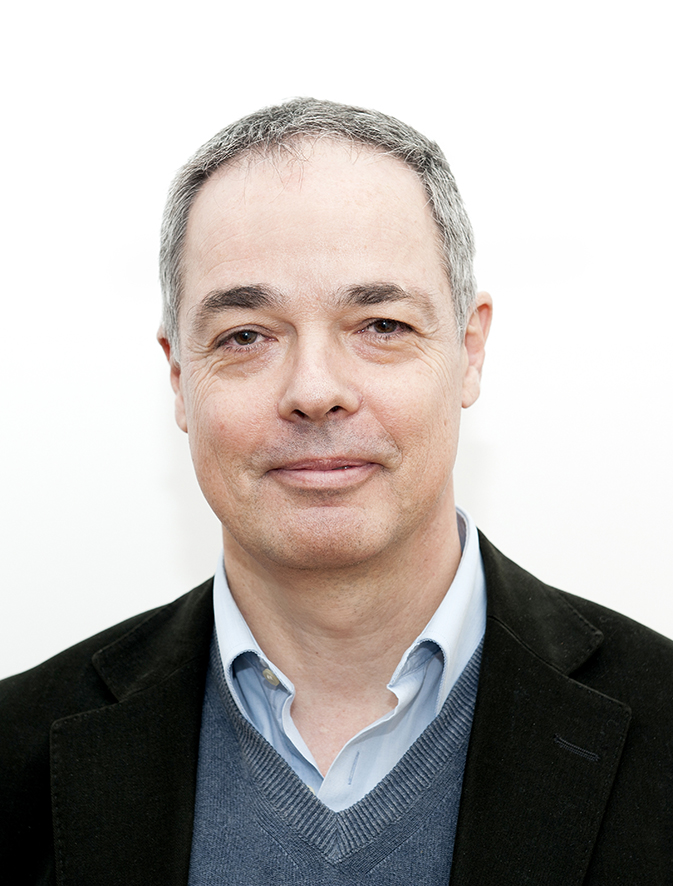
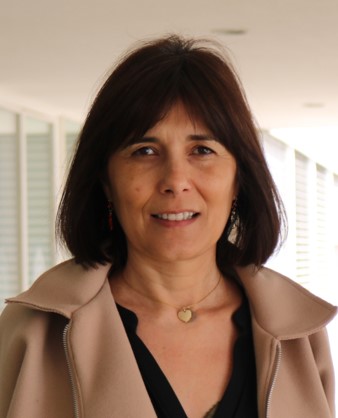
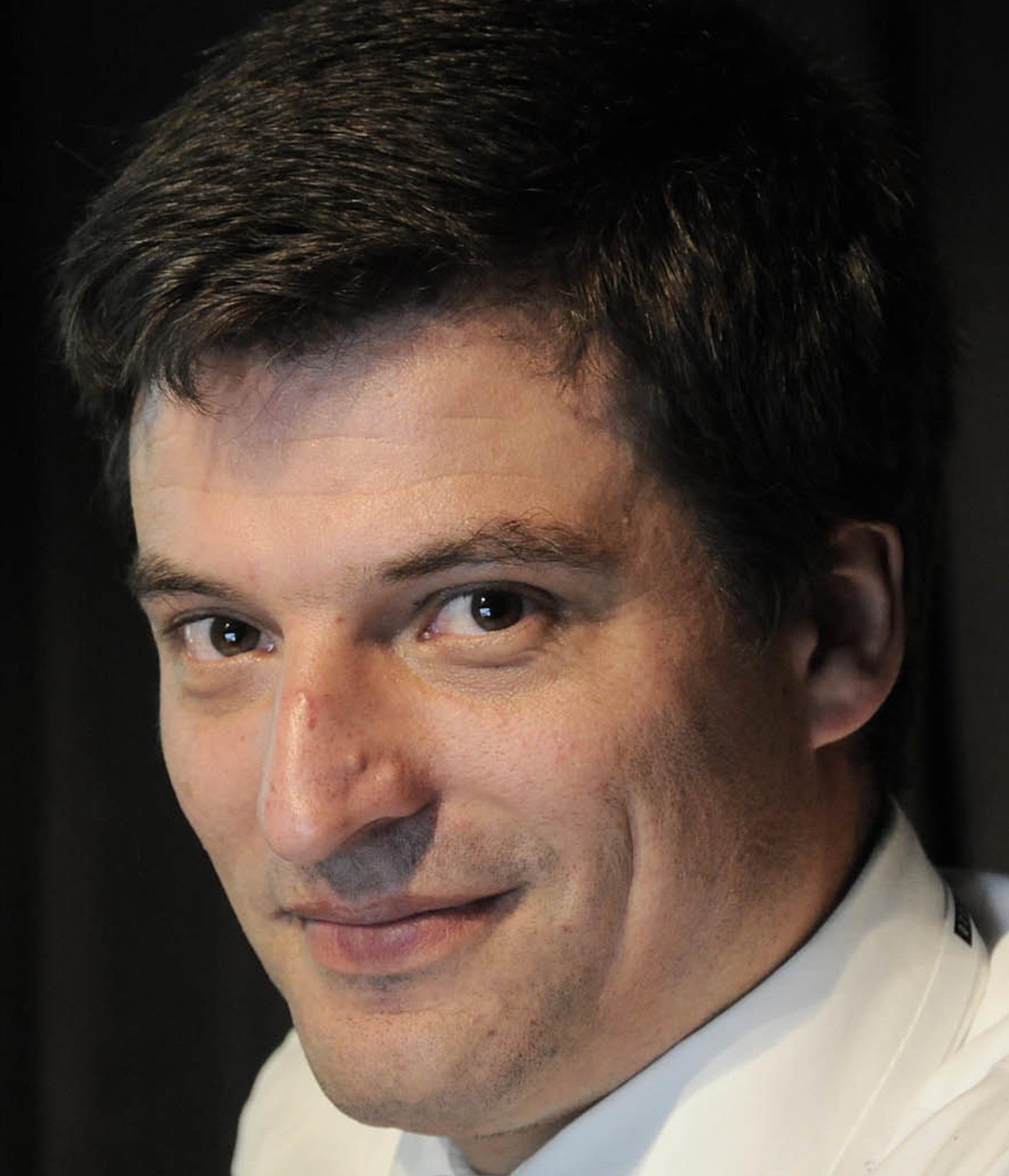
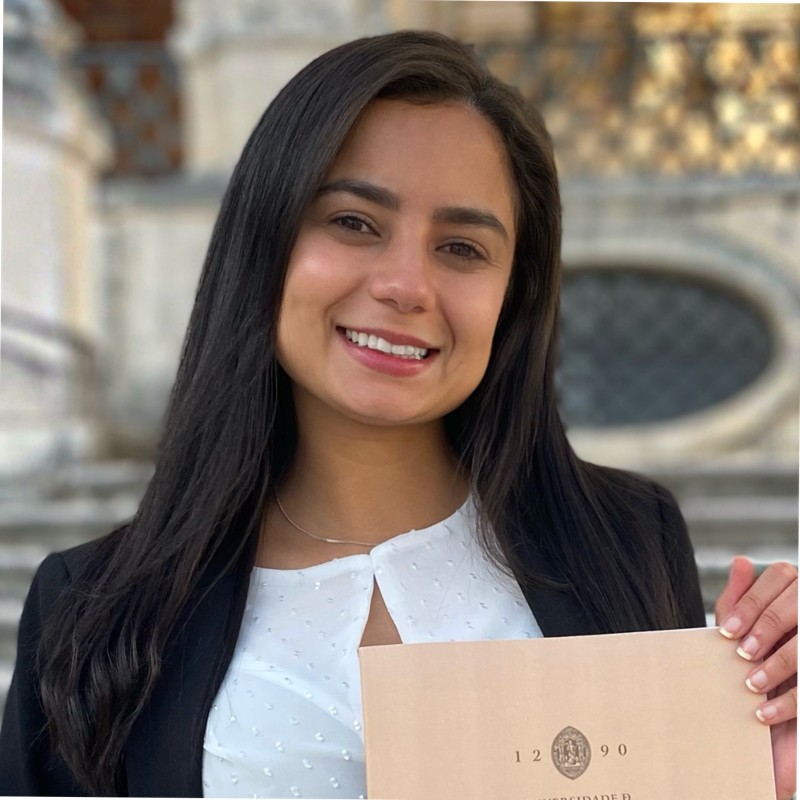
ISISE was represented through contributions by 𝐅𝐢𝐥𝐢𝐩 𝐋𝐣𝐮𝐛𝐢𝐧𝐤𝐨𝐯𝐢ć, 𝐍𝐞𝐝𝐚 𝐉𝐚𝐧𝐤𝐨𝐯𝐢ć, 𝐀𝐥𝐞𝐤𝐬𝐚𝐧𝐝𝐫𝐚 𝐒𝐢𝐦𝐨𝐯𝐢ć, 𝐀𝐥𝐞𝐤𝐬𝐚 𝐌𝐢𝐥𝐢ć𝐞𝐯𝐢ć, 𝐀𝐦𝐢𝐧𝐚 𝐇𝐚𝐣𝐝𝐚𝐫𝐞𝐯𝐢ć and 𝐋𝐮í𝐬 𝐒𝐢𝐦õ𝐞𝐬 𝐝𝐚 𝐒𝐢𝐥𝐯𝐚, who delivered a keynote lecture on 𝐬𝐭𝐞𝐞𝐥 𝐜𝐨𝐧𝐬𝐭𝐫𝐮𝐜𝐭𝐢𝐨𝐧, 𝐫𝐞𝐬𝐞𝐚𝐫𝐜𝐡 𝐚𝐧𝐝 𝐢𝐧𝐧𝐨𝐯𝐚𝐭𝐢𝐨𝐧 𝐟𝐨𝐫 𝐚 𝐬𝐮𝐬𝐭𝐚𝐢𝐧𝐚𝐛𝐥𝐞 𝐟𝐮𝐭𝐮𝐫𝐞.
The presented research addressed topics including 𝐜𝐢𝐫𝐜𝐮𝐥𝐚𝐫 𝐜𝐨𝐧𝐬𝐭𝐫𝐮𝐜𝐭𝐢𝐨𝐧, 𝐫𝐞𝐮𝐬𝐚𝐛𝐥𝐞 𝐚𝐧𝐝 𝐝𝐞𝐦𝐨𝐮𝐧𝐭𝐚𝐛𝐥𝐞 𝐬𝐭𝐫𝐮𝐜𝐭𝐮𝐫𝐚𝐥 𝐬𝐲𝐬𝐭𝐞𝐦𝐬, 𝐬𝐭𝐞𝐞𝐥 𝐣𝐨𝐢𝐧𝐭𝐬 𝐚𝐧𝐝 𝐜𝐨𝐧𝐧𝐞𝐜𝐭𝐢𝐨𝐧𝐬, and 𝐦𝐚𝐜𝐡𝐢𝐧𝐞 𝐥𝐞𝐚𝐫𝐧𝐢𝐧𝐠 𝐚𝐩𝐩𝐫𝐨𝐚𝐜𝐡𝐞𝐬 𝐟𝐨𝐫 𝐬𝐭𝐫𝐮𝐜𝐭𝐮𝐫𝐚𝐥 𝐝𝐞𝐬𝐢𝐠𝐧.
#ISISE #SMCT #UCoimbra #Dec #fctuc #ases2026 #structuralengineering #steelstructures #circularconstruction #SteelConnections #reusablestructures #Demountablestructures #machinelearning #SustainableConstruction #research

🚨 𝐍𝐞𝐰 𝐩𝐚𝐩𝐞𝐫 𝐩𝐮𝐛𝐥𝐢𝐬𝐡𝐞𝐝!
✔️ This study explores the use of 𝐖𝐢𝐫𝐞 𝐀𝐫𝐜 𝐀𝐝𝐝𝐢𝐭𝐢𝐯𝐞 𝐌𝐚𝐧𝐮𝐟𝐚𝐜𝐭𝐮𝐫𝐢𝐧𝐠 (𝐖𝐀𝐀𝐌) to produce 𝐟𝐮𝐧𝐜𝐭𝐢𝐨𝐧𝐚𝐥𝐥𝐲 𝐠𝐫𝐚𝐝𝐞𝐝 𝐜𝐚𝐫𝐛𝐨𝐧 𝐬𝐭𝐞𝐞𝐥 𝐜𝐨𝐦𝐩𝐨𝐧𝐞𝐧𝐭𝐬 from a single wire, showing how deposition parameters can be used to tailor material performance within the same steel component.
📖 Functionally graded carbon steel produced by WAAM from a single wire
👨🔬👩🔬 Authors: Kaike Monteiro, Carlos Zhu, David Andrade, Ricardo Branco, Trayana Tankova and Luís Simões da Silva
📘 Journal of Constructional Steel Research
🔗 DOI: 10.1016/j.jcsr.2026.110687
#ISISE #SMCT #UCoimbra #Dec #fctuc #steelstructures #AdditiveManufacturing #WAAM #FunctionallyGradedMaterials #carbonsteel #finiteelementanalysis #StructuralSteel #research #innovation
0 CommentsComment on Facebook
🏆 𝗣𝗿𝗼𝗳. 𝗟𝘂í𝘀 𝗦𝗶𝗺õ𝗲𝘀 𝗱𝗮 𝗦𝗶𝗹𝘃𝗮 𝗿𝗲𝗰𝗲𝗶𝘃𝗲𝘀 𝘁𝗵𝗲 𝗖𝗵𝗮𝗿𝗹𝗲𝘀 𝗠𝗮𝘀𝘀𝗼𝗻𝗻𝗲𝘁 𝗔𝘄𝗮𝗿𝗱
ISISE is proud to announce that 𝗣𝗿𝗼𝗳. 𝗟𝘂í𝘀 𝗦𝗶𝗺õ𝗲𝘀 𝗱𝗮 𝗦𝗶𝗹𝘃𝗮, 𝗛𝗲𝗮𝗱 𝗼𝗳 𝘁𝗵𝗲 𝗦𝘁𝗲𝗲𝗹 𝗮𝗻𝗱 𝗠𝗶𝘅𝗲𝗱 𝗖𝗼𝗻𝘀𝘁𝗿𝘂𝗰𝘁𝗶𝗼𝗻 𝗧𝗲𝗰𝗵𝗻𝗼𝗹𝗼𝗴𝗶𝗲𝘀 (𝗦𝗠𝗖𝗧) 𝗥𝗲𝘀𝗲𝗮𝗿𝗰𝗵 𝗚𝗿𝗼𝘂𝗽 𝗮𝘁 𝗜𝗦𝗜𝗦𝗘, has been awarded the 𝗖𝗵𝗮𝗿𝗹𝗲𝘀 𝗠𝗮𝘀𝘀𝗼𝗻𝗻𝗲𝘁 𝗔𝘄𝗮𝗿𝗱, one of the most prestigious international distinctions in the field of steel construction and structural engineering.
The award was presented on 𝟭𝟳 𝗦𝗲𝗽𝘁𝗲𝗺𝗯𝗲𝗿 𝗶𝗻 𝗞𝗿𝗮𝗸ó𝘄, during 𝗘𝗨𝗥𝗢𝗦𝗧𝗘𝗘𝗟 𝟮𝟬𝟮𝟲.
⚒️ This prestigious recognition celebrates his 𝗼𝘂𝘁𝘀𝘁𝗮𝗻𝗱𝗶𝗻𝗴 𝗰𝗼𝗻𝘁𝗿𝗶𝗯𝘂𝘁𝗶𝗼𝗻𝘀 𝘁𝗼 𝗿𝗲𝘀𝗲𝗮𝗿𝗰𝗵, 𝗲𝗱𝘂𝗰𝗮𝘁𝗶𝗼𝗻 𝗮𝗻𝗱 𝘀𝘁𝗿𝘂𝗰𝘁𝘂𝗿𝗮𝗹 𝗲𝗻𝗴𝗶𝗻𝗲𝗲𝗿𝗶𝗻𝗴, as well as his significant and long-standing contribution to the 𝗮𝗱𝘃𝗮𝗻𝗰𝗲𝗺𝗲𝗻𝘁 𝗼𝗳 𝘀𝘁𝗲𝗲𝗹 𝗮𝗻𝗱 𝗰𝗼𝗺𝗽𝗼𝘀𝗶𝘁𝗲 𝗰𝗼𝗻𝘀𝘁𝗿𝘂𝗰𝘁𝗶𝗼𝗻 𝗮𝘁 𝗯𝗼𝘁𝗵 𝗻𝗮𝘁𝗶𝗼𝗻𝗮𝗹 𝗮𝗻𝗱 𝗶𝗻𝘁𝗲𝗿𝗻𝗮𝘁𝗶𝗼𝗻𝗮𝗹 𝗹𝗲𝘃𝗲𝗹𝘀.
👏 𝗖𝗼𝗻𝗴𝗿𝗮𝘁𝘂𝗹𝗮𝘁𝗶𝗼𝗻𝘀 𝘁𝗼 𝗣𝗿𝗼𝗳. 𝗟𝘂í𝘀 𝗦𝗶𝗺õ𝗲𝘀 𝗱𝗮 𝗦𝗶𝗹𝘃𝗮 𝗼𝗻 𝘁𝗵𝗶𝘀 𝗿𝗲𝗺𝗮𝗿𝗸𝗮𝗯𝗹𝗲 𝗮𝗰𝗵𝗶𝗲𝘃𝗲𝗺𝗲𝗻𝘁!
#ISISE #SMCT #eurosteel2026 #charlesmassonnetaward #steelconstruction #structuralengineering #compositeconstruction #UniversityOfCoimbra
0 CommentsComment on Facebook
📌 𝐈𝐒𝐈𝐒𝐄 𝐚𝐭 𝐂𝐎𝐍𝐓𝐑𝐎𝐋𝐎 𝟐𝟎𝟐𝟔
ISISE researcher Eliana Inca Cabrera, together with Inautom Automação & Inautom Robótica, participated in #CONTROLO2026, bringing together academia and industry within the scope of the 𝐀𝐃𝐀𝐏𝐓𝐈𝐇𝐀𝐍𝐃 project.
🤖 The team presented the Work-in-Progress paper:
📄 “Adaptive Robotic Gripping for Flexible Manufacturing: A Work-in-Progress Approach”
⚙️ The work presents the ongoing development of an 𝐚𝐝𝐚𝐩𝐭𝐢𝐯𝐞 𝐫𝐨𝐛𝐨𝐭𝐢𝐜 𝐠𝐫𝐢𝐩𝐩𝐢𝐧𝐠 𝐬𝐨𝐥𝐮𝐭𝐢𝐨𝐧 𝐟𝐨𝐫 𝐟𝐥𝐞𝐱𝐢𝐛𝐥𝐞 𝐦𝐚𝐧𝐮𝐟𝐚𝐜𝐭𝐮𝐫𝐢𝐧𝐠 𝐞𝐧𝐯𝐢𝐫𝐨𝐧𝐦𝐞𝐧𝐭𝐬, bringing together robotic manipulation, sensing and control towards more adaptable and reconfigurable production systems.
#ISISE #SMCT #DAD #DEC #UCoimbra #FCTUC #ADAPTIHAND #CONTROLO2026 #Robotics #Automation #IndustrialRobotics #AdvancedManufacturing
0 CommentsComment on Facebook
🌿 ISISE Day-Out 2026 | Science, community and a great day together!
Last July, the ISISE community came together for our 2026 Day-Out, held in the beautiful setting of Solar das Bouças.
The day combined science, networking and plenty of fun, bringing together ISISE members and collaborators outside our usual research environment. The programme included scientific presentations by our PhD researchers, providing an opportunity to share ongoing work, exchange ideas and discover the wide range of research being developed across the Institute.
🏆 Congratulations to Kasra Mostofi, who received the Best Presentation Award for his presentation “Recycled fibre-reinforced concrete floating docks for sustainable offshore renewables”.
And, of course, an ISISE Day-Out would not be complete without some time away from the slides and research discussions! The afternoon brought everyone together for traditional Portuguese games, a walk around the venue and plenty of good moments along the way.
The ISISE Directors would like to thank all our members and collaborators for taking part in the day and, above all, for their continued contribution to the growth and success of the Institute.
A great opportunity to strengthen connections, celebrate our community and enjoy being together. See you at the next ISISE Day-Out! 🙌
#ISISE #SC #SMCT #HMS #FP #Research #StructuralEngineering #CivilEngineering #ResearchCommunity #PhDResearch #Science #TeamBuilding #UMinho #UCoimbra
0 CommentsComment on Facebook
🧠📚 𝐍𝐞𝐰 𝐣𝐨𝐮𝐫𝐧𝐚𝐥 𝐩𝐚𝐩𝐞𝐫 𝐩𝐮𝐛𝐥𝐢𝐬𝐡𝐞𝐝!
Can 𝐀𝐫𝐭𝐢𝐟𝐢𝐜𝐢𝐚𝐥 𝐈𝐧𝐭𝐞𝐥𝐥𝐢𝐠𝐞𝐧𝐜𝐞 support faster and more efficient structural design by reducing the need for time-consuming finite element analyses?
This study presents a 𝐝𝐚𝐭𝐚-𝐝𝐫𝐢𝐯𝐞𝐧 𝐀𝐫𝐭𝐢𝐟𝐢𝐜𝐢𝐚𝐥 𝐍𝐞𝐮𝐫𝐚𝐥 𝐍𝐞𝐭𝐰𝐨𝐫𝐤 𝐦𝐨𝐝𝐞𝐥 for predicting the 𝐛𝐞𝐧𝐝𝐢𝐧𝐠 𝐫𝐞𝐬𝐢𝐬𝐭𝐚𝐧𝐜𝐞 of built-up cold-formed steel–lightweight concrete composite beams.
The model was trained using 𝟗𝟔𝟎 𝐯𝐚𝐥𝐢𝐝𝐚𝐭𝐞𝐝 𝐟𝐢𝐧𝐢𝐭𝐞 𝐞𝐥𝐞𝐦𝐞𝐧𝐭 𝐬𝐢𝐦𝐮𝐥𝐚𝐭𝐢𝐨𝐧𝐬 and achieved excellent predictive accuracy, while reducing the need for computationally expensive numerical analyses. The work also includes 𝐡𝐲𝐩𝐞𝐫𝐩𝐚𝐫𝐚𝐦𝐞𝐭𝐞𝐫 𝐨𝐩𝐭𝐢𝐦𝐢𝐬𝐚𝐭𝐢𝐨𝐧, 𝐒𝐇𝐀𝐏 𝐚𝐧𝐚𝐥𝐲𝐬𝐢𝐬, and the development of a 𝐮𝐬𝐞𝐫-𝐟𝐫𝐢𝐞𝐧𝐝𝐥𝐲 𝐠𝐫𝐚𝐩𝐡𝐢𝐜𝐚𝐥 𝐢𝐧𝐭𝐞𝐫𝐟𝐚𝐜𝐞 for practical engineering applications.
This work highlights the growing potential of 𝐀𝐈-𝐚𝐬𝐬𝐢𝐬𝐭𝐞𝐝 𝐬𝐭𝐫𝐮𝐜𝐭𝐮𝐫𝐚𝐥 𝐞𝐧𝐠𝐢𝐧𝐞𝐞𝐫𝐢𝐧𝐠 for the preliminary design of innovative composite structural systems.
📖 Data-driven modelling of bending resistance in built-up cold-formed steel lightweight concrete (CFS-LWC) composite beams using artificial neural networks
👨🔬 Authors: Rohola Rahnavard, Adriano Silva de Carvalho, Hélder D. Craveiro and Filip Ljubinković
📘 Advances in Engineering Software
🔗 10.1016/j.advengsoft.2026.104273
#ISISE #SMCT #UCoimbra #Dec #fctuc #ArtificialIntelligence #structuralengineering #machinelearning #compositestructures #coldformedsteel #LightweightConcrete #finiteelementanalysis #ArtificialNeuralNetworks #EngineeringSoftware #research #innovation
0 CommentsComment on Facebook
0 CommentsComment on Facebook